If you've ever spent half a day hunting down a missing laptop or a tool worth several thousand dollars - you know the pain. Been there, done that: a warehouse with 500+ pieces of equipment, an Excel spreadsheet full of outdated data, and a single audit telling you that "someone forgot to update." The result? $15,000 in lost equipment per year and sleepless nights before every audit.
That's why asset management isn't just a buzzword - it's a real necessity for any business dealing with physical assets. And the first question that comes up when implementing a tracking system: which tagging technology should you go with?
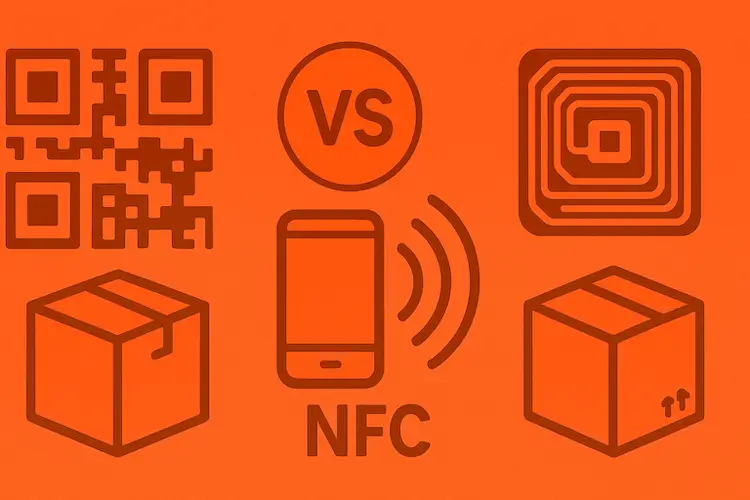
Let's break it down without the marketing fluff. All three are formal standards: QR codes follow GS1 specifications, NFC is defined by the NFC Forum, and UHF RFID uses the ISO/IEC 18000-63:2021 air-interface protocol.
Three Technologies - Three Approaches
QR Codes: Simplicity That Works
QR Code asset tracking is like a good old hammer: nothing fancy, but it gets the job done.
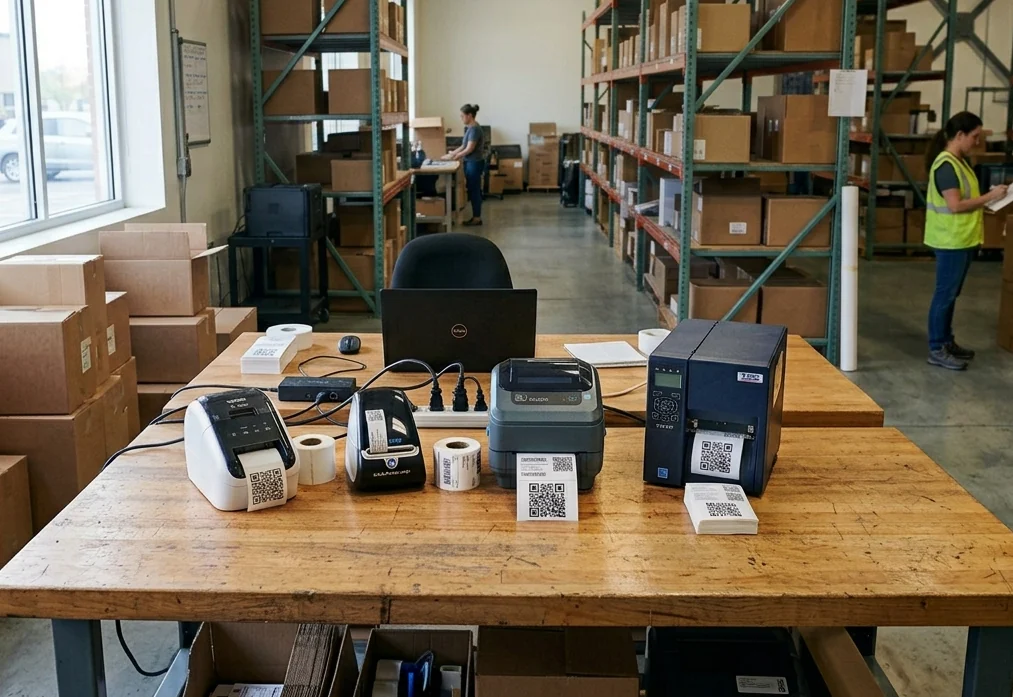
The concept is straightforward: print a unique QR code, stick it on an asset, scan it with a smartphone - and you've got instant access to all the equipment info. No special hardware. No complex setup. Anyone with a phone in their pocket becomes part of your tracking system.
When QR codes are your best bet:
- Budget is tight (labels cost literally pennies)
- You need to roll out fast across multiple locations
- Your team isn't particularly tech-savvy
- Assets don't move in bulk simultaneously
I've seen construction companies deploy QR tracking across 12 job sites in under a week. No IT department, no consultants - just a printer, smartphones, and user-friendly software. If you want the exact steps to replicate that rollout, our complete guide to QR code asset tracking walks through it from printed label to live tracking.
But here's the catch: QR codes need line of sight. Dirt, scratches, poor lighting - and scanning turns into a scavenger hunt. In harsh environments (manufacturing floors, high-humidity warehouses), a standard label might only last a few months.
NFC: When Speed Matters
NFC asset tracking is like tapping your credit card: touch your phone, get the result. No aiming the camera, no finding the right angle.
Technically, NFC is a type of RFID operating at 13.56 MHz with a read range of up to 4 inches. The main advantage? Every modern smartphone supports NFC out of the box.
Where NFC really shines:
- Medical equipment (quick identification in critical situations)
- IT inventory (when you need to process hundreds of devices in a day)
- Equipment checkout system and tool control
- Any situation where "one tap" speed matters
The honest downside: tags cost 10-20 times more than QR codes. When you're scaling to thousands of assets, that difference adds up fast.
RFID: The Industrial-Grade Solution
RFID asset tracking is the heavy artillery. A technology originally built for military applications and global-scale logistics.
UHF RFID lets you read hundreds of tags simultaneously from up to 50 feet away. No line of sight required. Through cardboard, plastic, fabric. One sweep with a scanner - and you know exactly what's in every box on your warehouse floor.
When RFID pays off:
- Large warehouses with high turnover
- Production lines with automated tracking
- Retail chains dealing with shrinkage issues
- Distribution centers where time is money
But let's be real: RFID is an investment. Readers range from several hundred to several thousand dollars. Tags cost tens of times more than QR codes. Implementation requires technical expertise.
Plus, radio waves don't play nice with liquids and metal. If your warehouse is packed with metal parts or liquids - expect some surprises.
What About GPS?
GPS asset tracking often gets mentioned alongside QR, NFC, and RFID, but it's a completely different story.
GPS answers the question "where is this asset right now?" - not "what is this asset" or "what condition is it in." It's a technology for vehicles, shipping containers, and high-value equipment that moves between locations.
If you need to track a fleet or construction equipment out in the field — GPS is irreplaceable. If you're tracking tools in a warehouse — it's overkill with a monthly subscription fee.
Real Problems That the Right Choice Solves
Loss and Theft Prevention
Research shows that companies without a tracking system lose 3-5% of their assets annually just from "vanishing into thin air." Not stolen — just nobody knows where anything is.
Any of these technologies — QR, NFC, or RFID — solves this problem by creating transparency. You see movement history, know who was last responsible, can set up alerts when something leaves the perimeter.
Maintenance Headaches
A machine or server breaking down at the worst possible moment isn't just a repair bill — it's production downtime, missed deadlines, and reputation damage.
An asset management system with proper tagging lets you:
- Link maintenance schedules to specific equipment units
- Keep a complete history of all repairs and replacements
- Get automatic reminders for scheduled maintenance
- Analyze which equipment fails most often
According to IBM, enterprise-level asset visibility can reduce repair and maintenance costs by 17% and cut equipment-related downtime by up to 20%.
Audits Without the Headache
If you've ever prepped for an inventory audit by digging through three-year-old Excel files and asking employees "do we still have this?" — you understand the value of automation.
With QR tags, one person can complete an inventory faster than a whole team with paper checklists. With RFID — even faster, if the scale justifies the investment.
How to Choose: A Practical Checklist
Go with QR if:
- You have under 5,000 assets
- Startup budget is limited
- You need to launch quickly
- Your team is spread across locations
- You don't have a dedicated IT specialist
Go with NFC if:
- Scanning speed is critical
- You're working in conditions where QR codes get damaged fast
- You need a middle ground between cost and functionality
- Employees already use company smartphones
Go with RFID if:
- You're tracking tens of thousands of assets
- You have high warehouse turnover
- You need hands-free automation
- You have budget for infrastructure and expertise
Add GPS if:
- Assets move between locations
- You need real-time tracking
- The equipment value justifies the subscription
The Hybrid Approach: When One Technology Isn't Enough
In the real world, it's rarely "either/or." Large companies often combine technologies: RFID at the central warehouse, QR codes at remote sites, GPS for vehicles.
The key is making sure all the data flows into a single asset management system. Otherwise, you're just creating isolated islands of information instead of one unified picture. Platforms with native QR code and NFC asset tagging software handle this out of the box — one scan, one record, regardless of the tag type.
Try It Yourself
Theory is great, but nothing beats hands-on experience. If you're just starting your journey toward automated asset tracking or looking for a better solution — give UNIO24 a try.
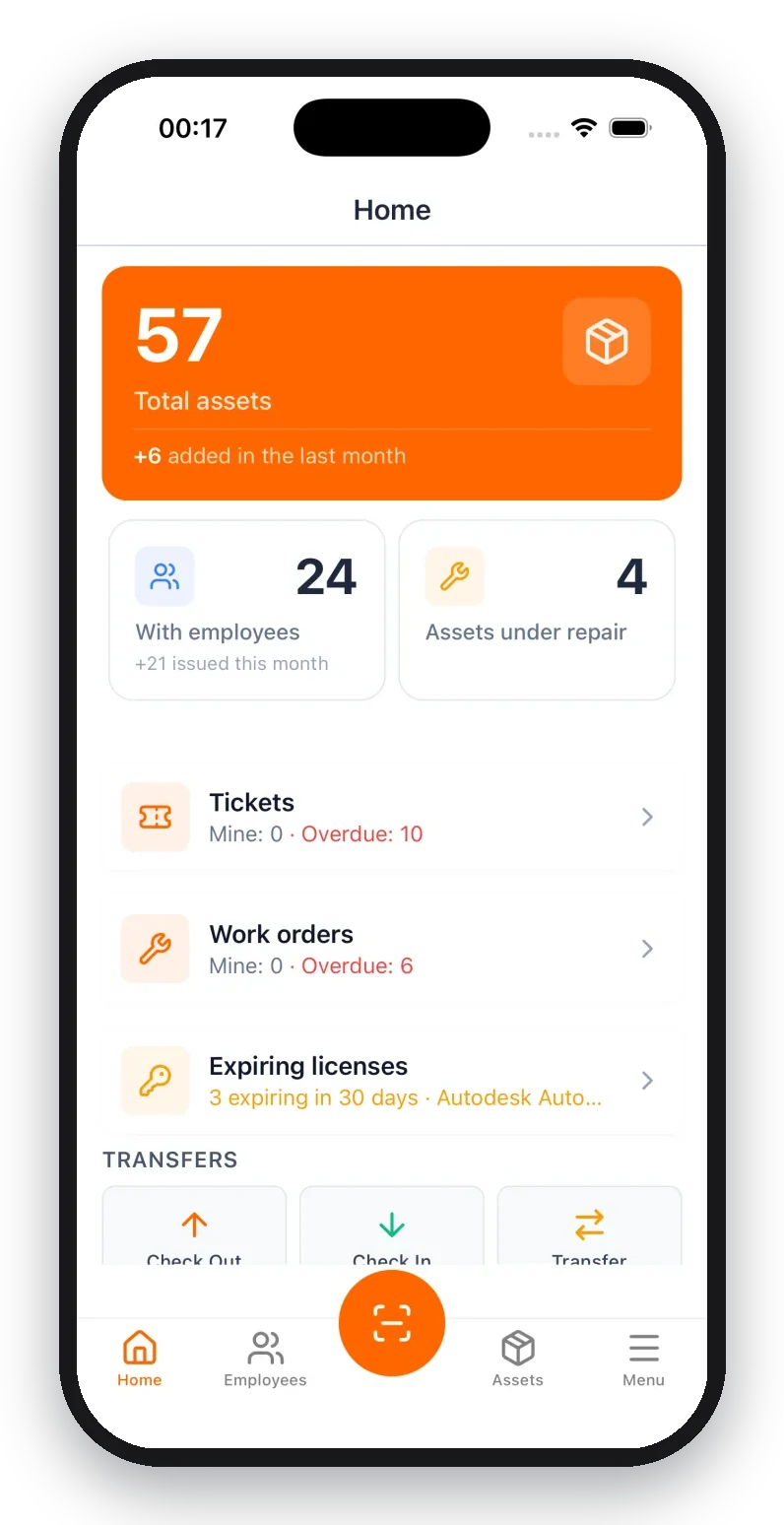
The platform lets you create up to 50 assets for free and fully test all the features: from QR tagging to maintenance history and analytics. No hidden fees, no time limits — an honest test-drive so you can make an informed decision.
Because the best way to know if a tool works for you is to actually pick it up and use it.