And how to stop losing equipment before it drains your budget
Let me tell you about something that happened to a friend of mine. He runs a mid-sized construction company - about 150 employees, decent fleet of vehicles, tons of power tools and equipment. Last year, he discovered that his team had been "losing" roughly $47,000 worth of equipment annually. Not through theft (well, mostly). Through pure, preventable chaos.
Sound familiar? You're not alone.
After spending years watching companies bleed money through poor asset management, I've identified the same patterns over and over again. The practices that separate a well-run program from a chaotic one are now codified in ISO 55001:2024 and analyzed by Gartner's EAM glossary. Here are the 10 most expensive mistakes - and more importantly, how to fix them.
1. The "It's Probably Somewhere" Approach
We've all been there. Someone needs a projector for a client meeting in 20 minutes. Nobody knows where it is. Three people spend half an hour searching. Eventually, someone just orders a new one on Amazon Prime.
Meanwhile, the original projector sits in a conference room closet, forgotten.
The real cost: It's not just the duplicate purchase. It's the wasted time, the delayed meeting, the impression you make on clients when your team looks disorganized.
The fix: Every single asset needs a home, and everyone needs to know where that home is. Simple as that.
2. Spreadsheet Addiction
I get it. Excel is comfortable. It's familiar. It's free (sort of).
It's also where asset data goes to die.
Here's what happens with spreadsheets:
- Version control becomes a nightmare
- Nobody updates them in real-time
- They can't track location changes
- There's no accountability trail
- One accidental deletion wipes out months of work
I've seen companies with five different "master" spreadsheets, all conflicting with each other. That's not management - that's chaos with formatting.
3. Ignoring the "Small Stuff"
Laptops? Tracked. Vehicles? Tracked. That $200 drill? Who cares, right?
Wrong.
Those "small" items add up terrifyingly fast. A company I consulted for realized they'd purchased the same safety harnesses 14 times in one year because nobody tracked who had them. Fourteen times! That's nearly $3,000 on harnesses alone.
Pro tip: If you'd be annoyed to replace it, track it. The threshold is probably lower than you think.
4. No Check-Out System
Equipment walks out the door constantly. Sometimes it walks back. Sometimes it doesn't.
Without a proper check-out system, you have no idea who had what, when, or why. When something goes missing, you're left playing detective with vague memories and pointing fingers.
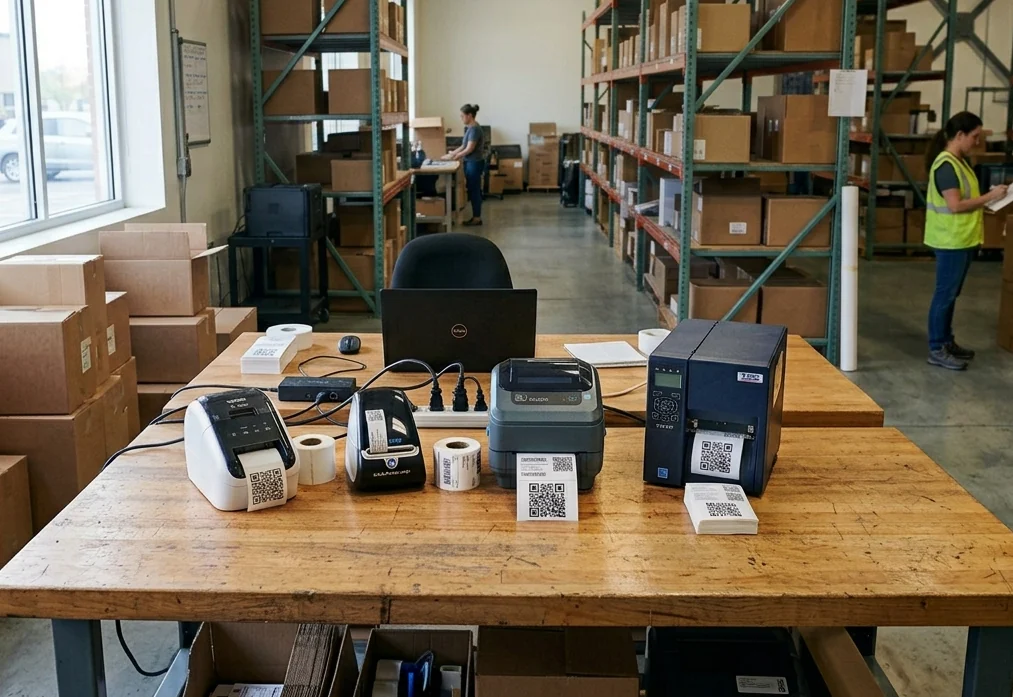
This is where modern solutions really shine. Platforms like UNIO24 make check-in/check-out as simple as scanning a QR code. No paperwork, no "I'll log it later" excuses. Just scan and go.
5. Reactive Maintenance Only
"We'll fix it when it breaks."
Sure. And you'll also pay three times more, experience unexpected downtime, and potentially put someone's safety at risk.
Reactive maintenance is the most expensive kind. A $50 filter replacement ignored becomes a $2,000 compressor replacement. A skipped oil change becomes a seized engine.
The smart approach: Schedule preventive maintenance based on usage, not just calendar time. Track operating hours. Set automated reminders. Your future self (and your budget) will thank you.
6. Paper-Based Tracking in a Digital World
I visited a warehouse last year where they tracked $2 million in inventory with clipboards and carbon-copy forms.
Clipboards.
In 2024.
The problems are obvious: illegible handwriting, lost forms, zero real-time visibility, no searchability. But here's what really got me - they had a full-time employee whose only job was transcribing paper records into their accounting system.
That's not asset management. That's archaeology.
7. No Depreciation Tracking
Your assets lose value every day. That's not pessimism it's accounting reality.
But if you're not tracking depreciation properly, you're probably:
- Overpaying on insurance
- Making bad repair-vs-replace decisions
- Getting surprised at tax time
- Holding onto equipment that costs more to maintain than it's worth
Knowing an asset's true current value isn't optional. It's essential for every financial decision you make about it.
8. Siloed Information
The maintenance team tracks equipment one way. Finance tracks it another. Operations has their own system. Nobody talks to each other.
Result? The same asset shows up in three databases with three different names, three different locations, and three different values.
Want to stop losing equipment? Start by making sure everyone's looking at the same information. One source of truth. One system. No exceptions.
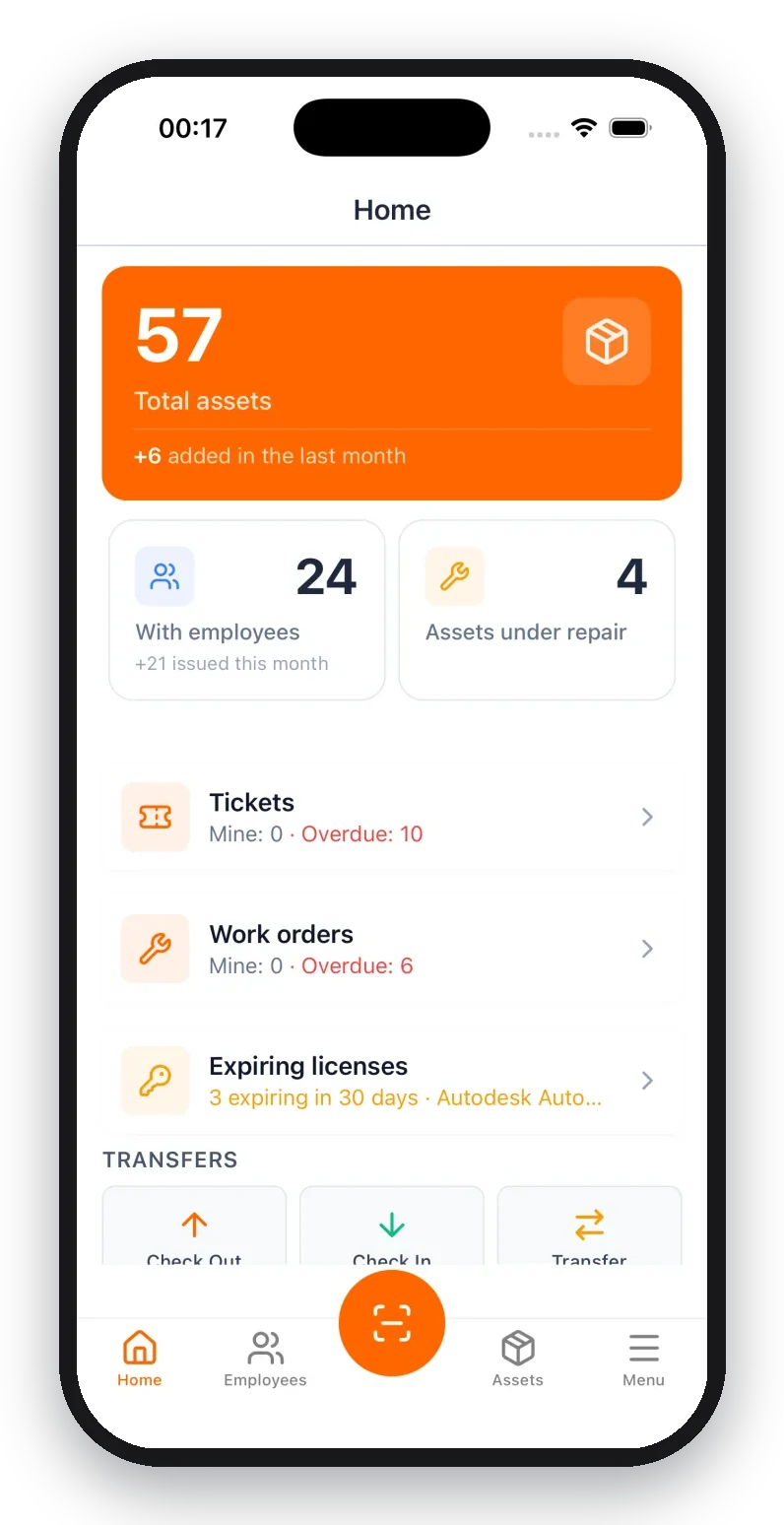
This is exactly what UNIO24 was built for - bringing all your asset data into a single, accessible platform that every department can use. No more "my spreadsheet says different."
9. Forgetting About Lifecycle Planning
Everything has a lifespan. Your laptop. Your forklift. That HVAC system nobody thinks about until it fails in August. Understanding the asset lifecycle is critical to avoiding surprises.
Companies that don't plan for asset replacement end up in one of two situations:
- Emergency purchases at premium prices when equipment fails
- Massive capital expenditure spikes that destroy quarterly budgets
Neither is fun.
Better approach: Know when each asset is likely to need replacement. Budget for it in advance. Replace on your schedule, not when you're forced to.
10. Treating Asset Management as an Afterthought
This is the big one. The root cause behind most of the others.
Too many companies treat asset management like a necessary evil - something to think about at year-end or when auditors come knocking.
But here's the truth: companies that take asset management seriously consistently outperform those that don't. They have lower operating costs, better equipment availability, fewer surprises, and happier teams.
Asset management isn't overhead. It's competitive advantage.
The Path Forward
If you've recognized your company in any of these mistakes, don't panic. Every organization starts somewhere.
The key is to start. Pick your biggest pain point and address it. For most companies, that means:
- Get visibility - You can't manage what you can't see
- Centralize data - One system, one truth
- Automate tracking - Remove human error from the equation
- Set up alerts - Be proactive, not reactive
Tools like UNIO24 exist specifically because these problems are universal. They've built a platform that addresses all ten of these mistakes in one place - from QR-code tracking to maintenance scheduling to depreciation calculations.
Is it the only solution? No. But it's worth looking at if you're serious about wanting to stop losing equipment and start actually managing your assets.
Final Thoughts
That friend I mentioned at the beginning? He implemented a proper asset management system eight months ago. His "lost" equipment dropped by 89%. His team wastes less time searching for things. His maintenance costs went down because they're catching problems early.
The $47,000 annual loss? It's now under $6,000 - and dropping.
The tools exist. The knowledge exists. The only question is whether you're ready to stop treating asset management as somebody else's problem.
Your equipment isn't going to track itself.
Ready to take control of your assets? Start with an audit of what you actually own. You might be surprised - and that surprise is exactly why you need a system.